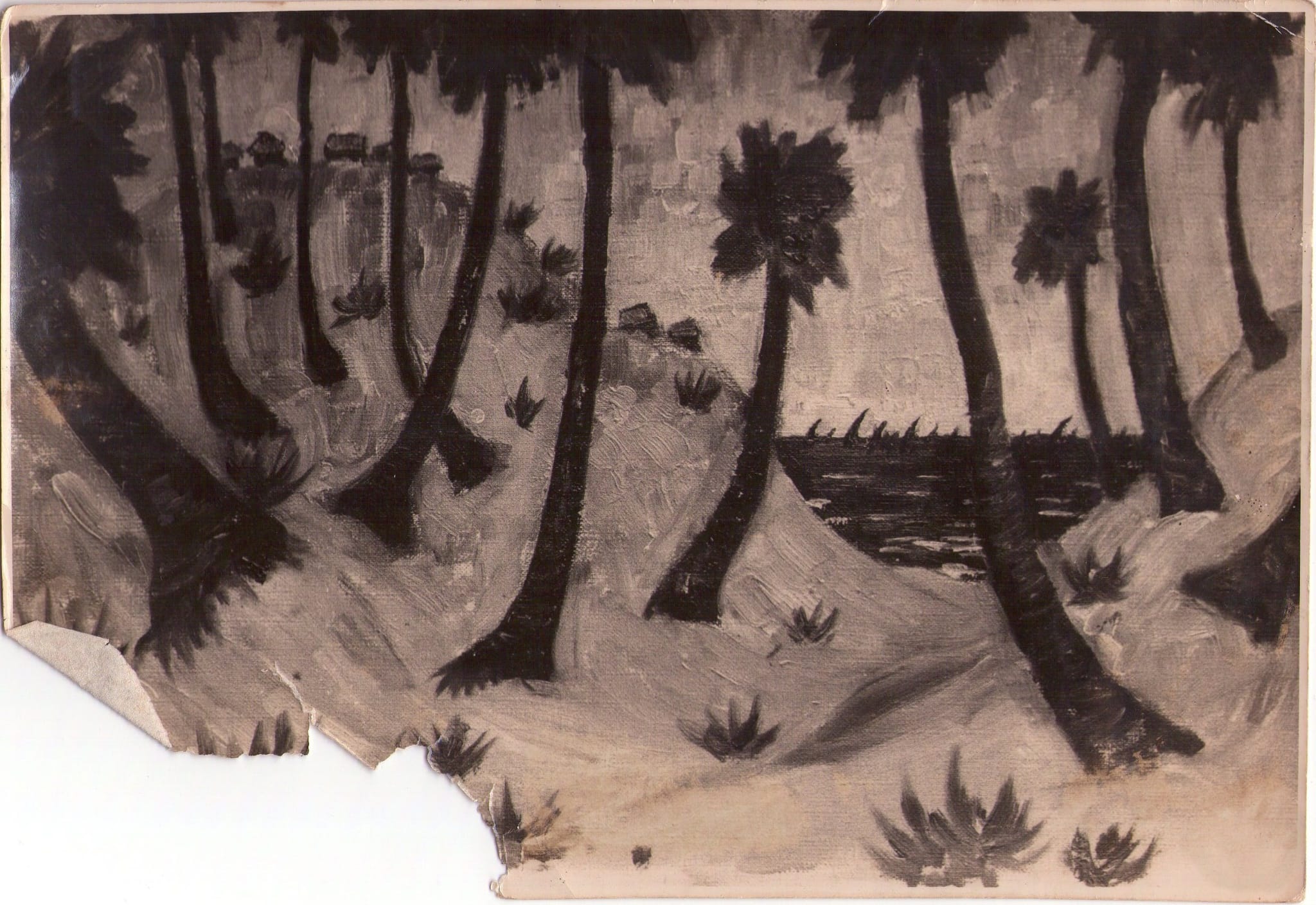
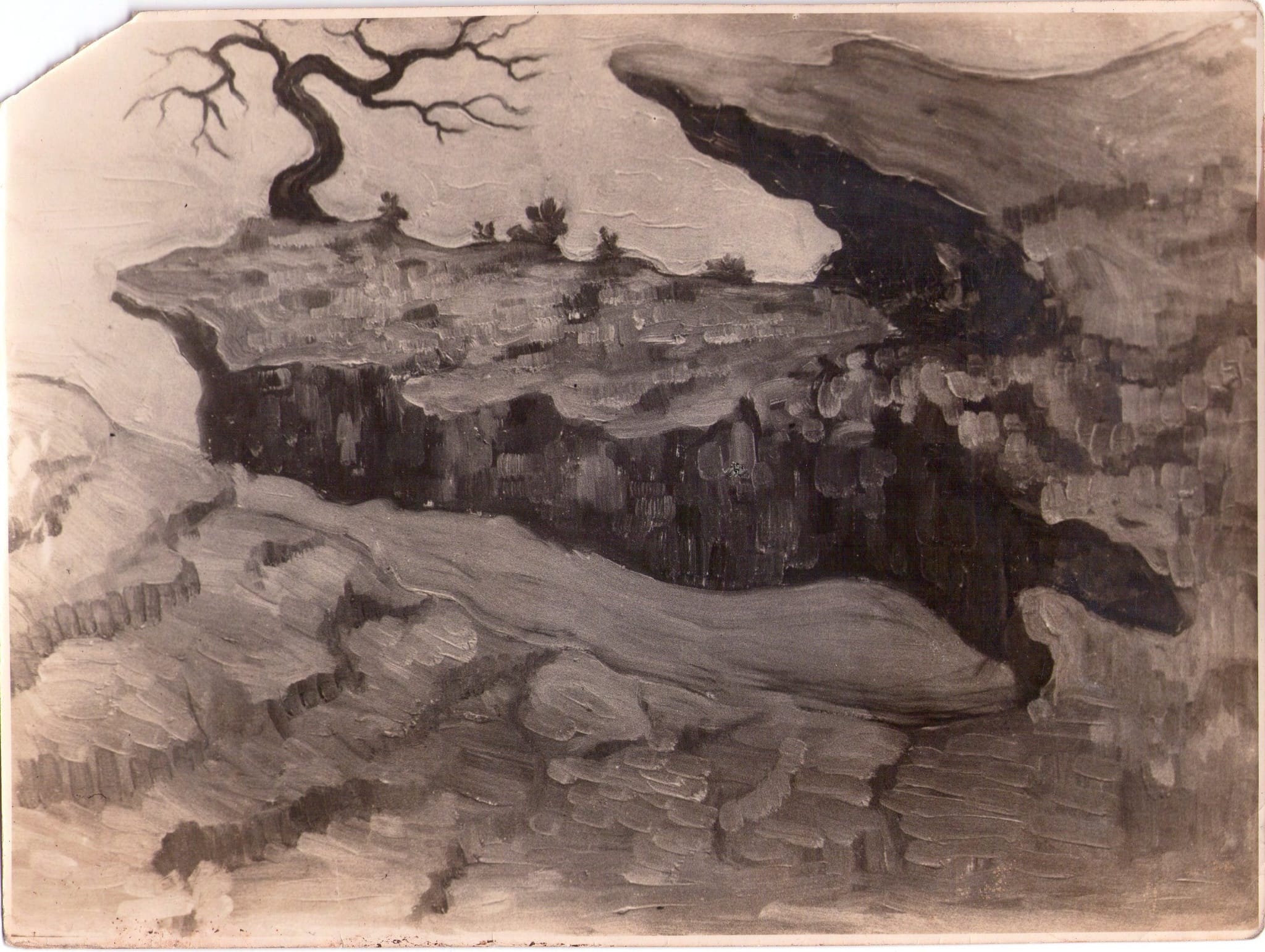
A family archive

ANCHA RADHAKRISHNA MURTHY

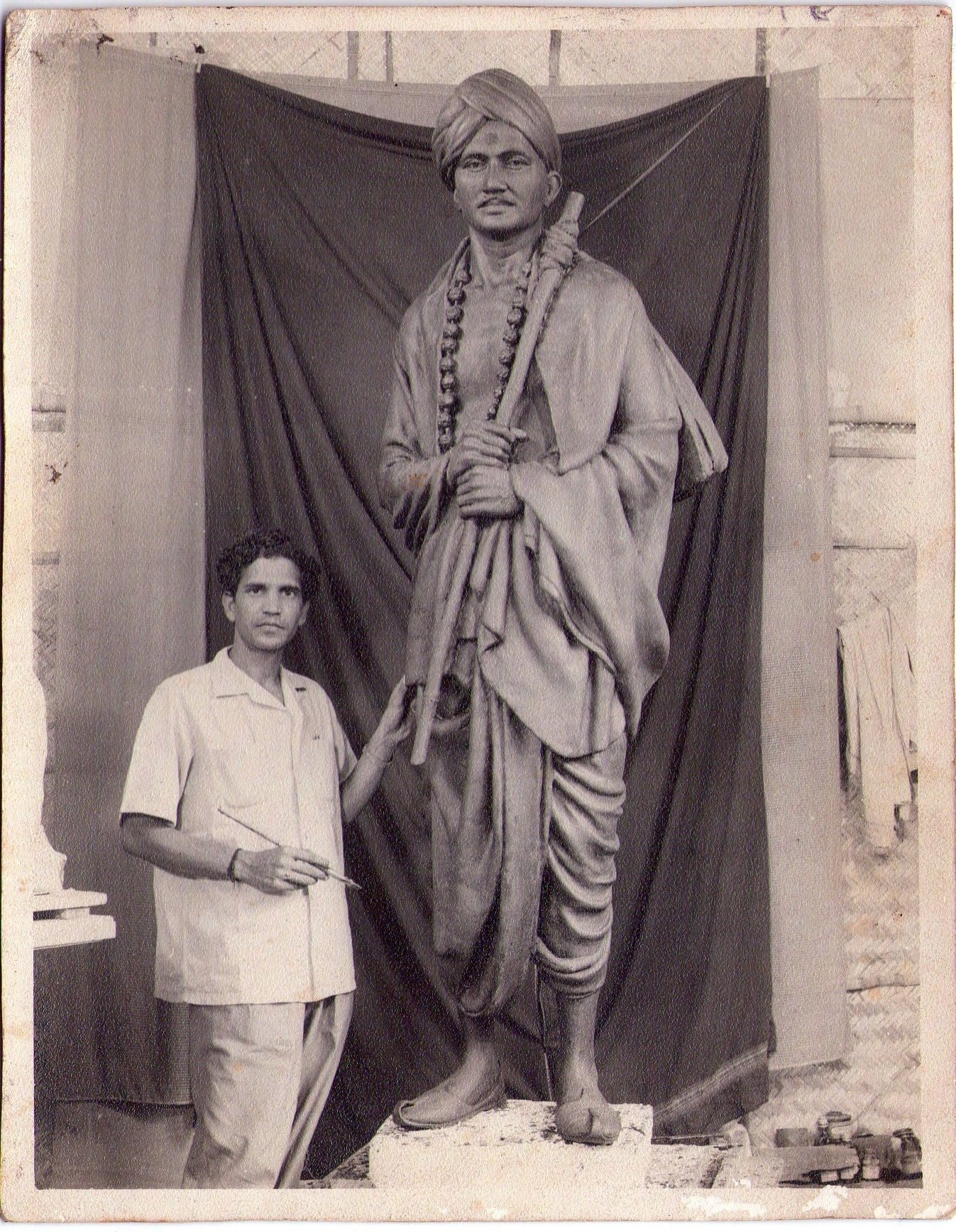
He gave faces to presidents, actors and saints — then history forgot his own.

The story

The sculptor history forgot

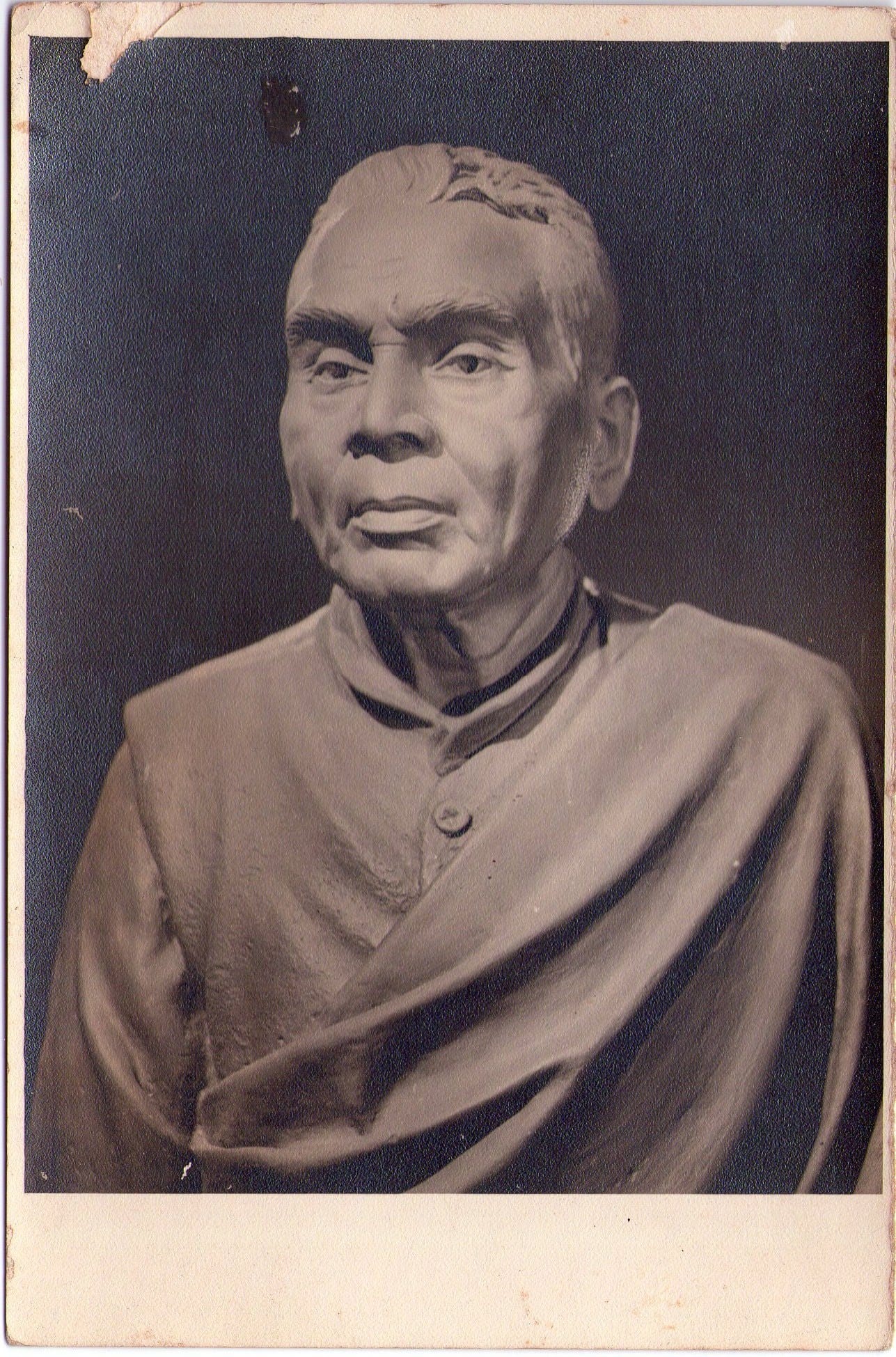
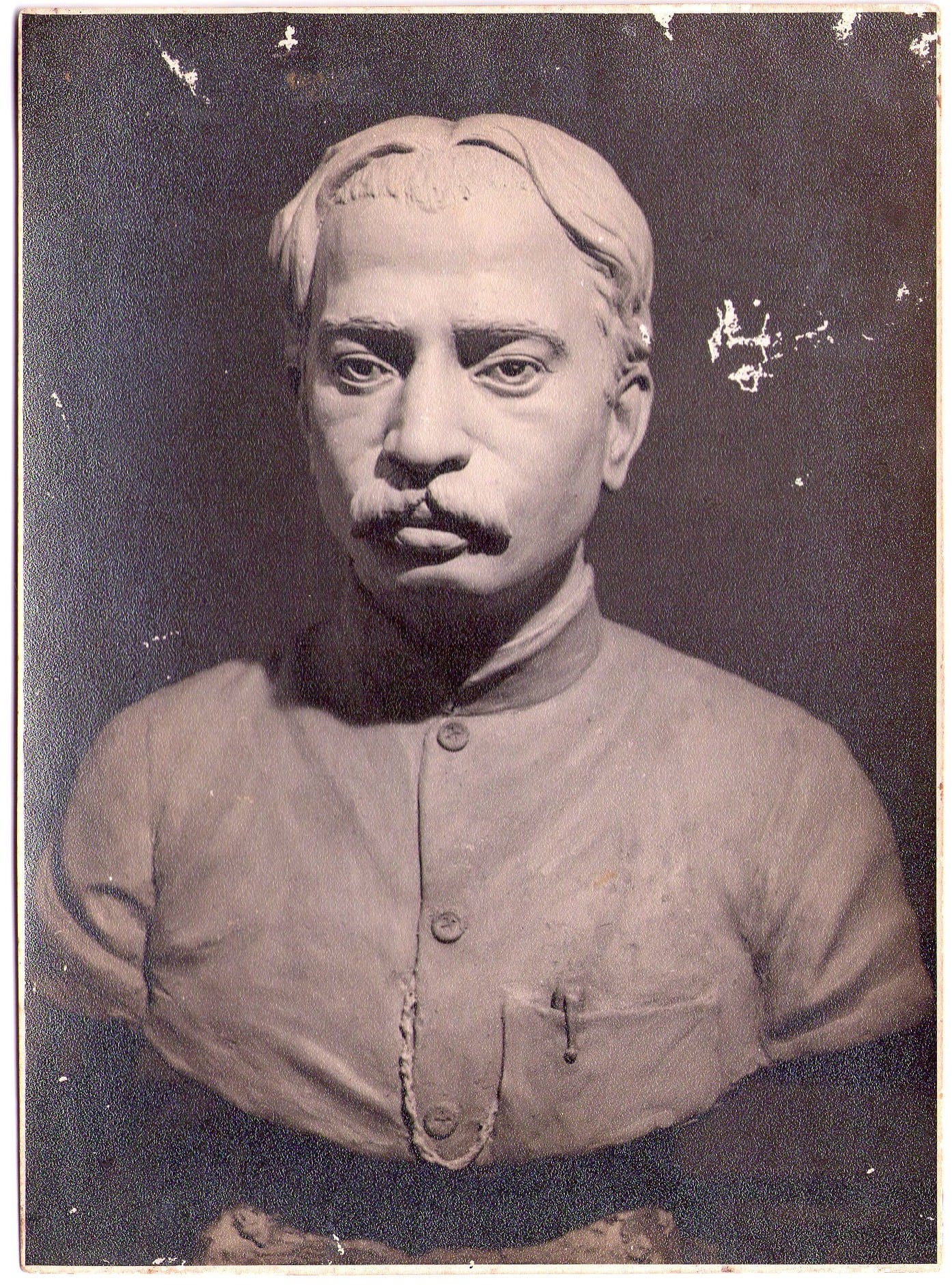
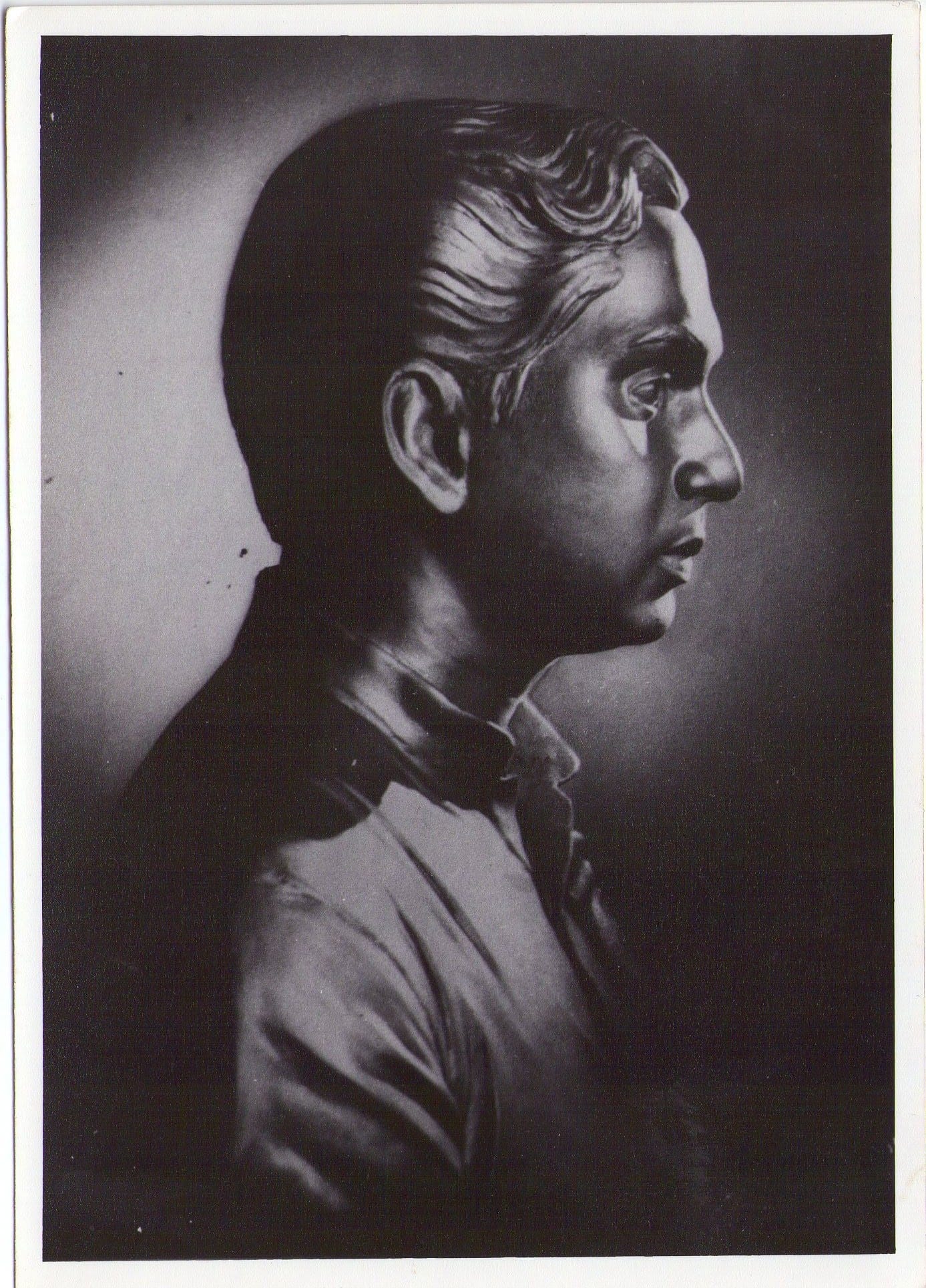
In the 1950s, a young man from a farming village near Tenali carved his way into Madras studios, Delhi's corridors of power, and an international stage. Presidents sat for him. Actors were cast in bronze by his hands. Then, quietly, he went home to farm his field — and the world moved on.

This is his family putting his name back where it belongs.
01

The Runaway

Born in Bodapadu village near Tenali, into a farming family, he quit school midway through his SSLC. After a scolding from his father, he left home at midnight — with nothing but the need to make art.

He went to Guntur to learn painting from Adavi Bapiraju.

Family account

02

The Studios

In 1952 he apprenticed under art director Madhavapeddi Gopalam at Vahini Studio, Madras — the dream factory of Telugu cinema. He rose to become an art director himself at Saradhi Studio, shaping the look of films before he ever took up the sculptor's chisel full-time.

03

The Exhibition

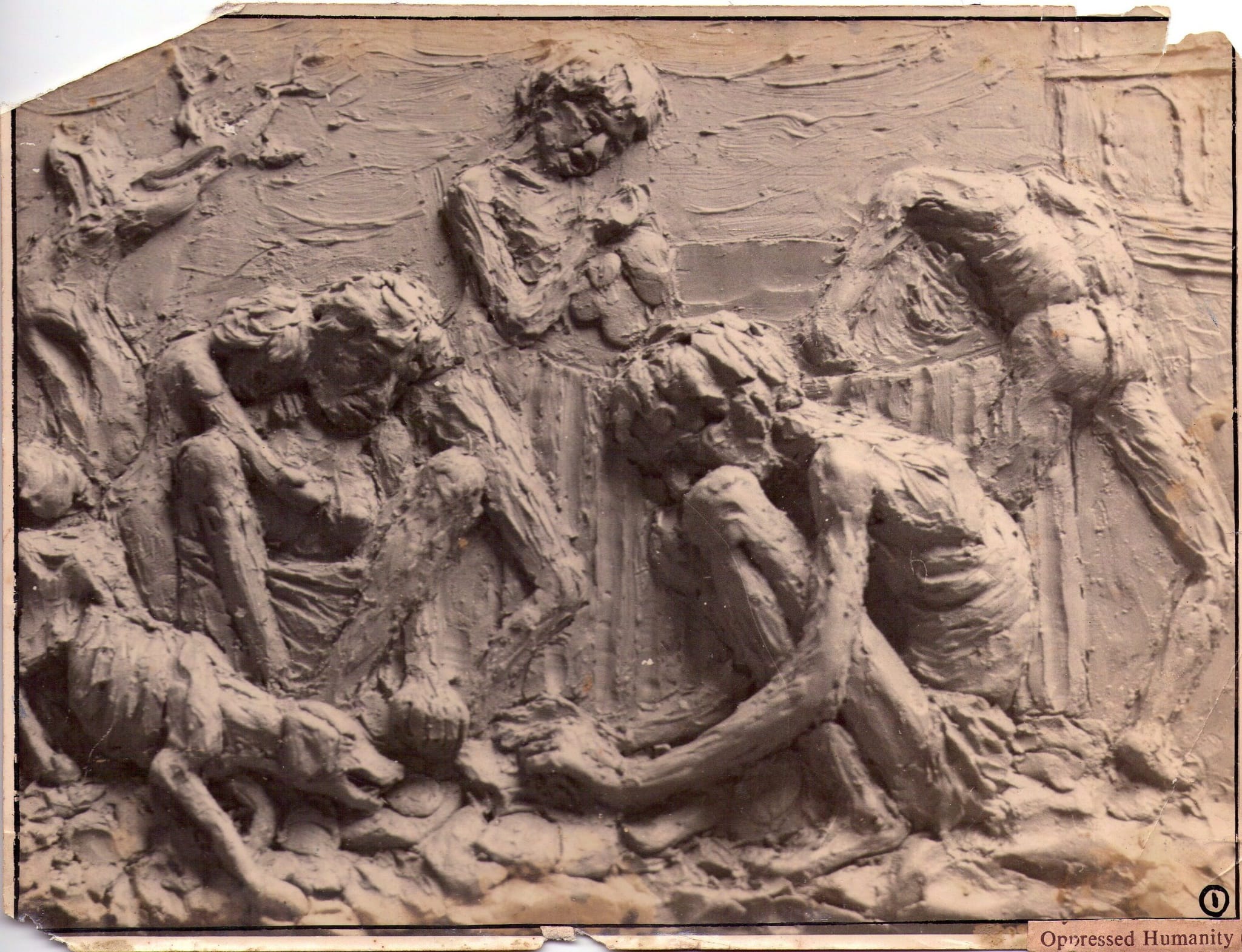
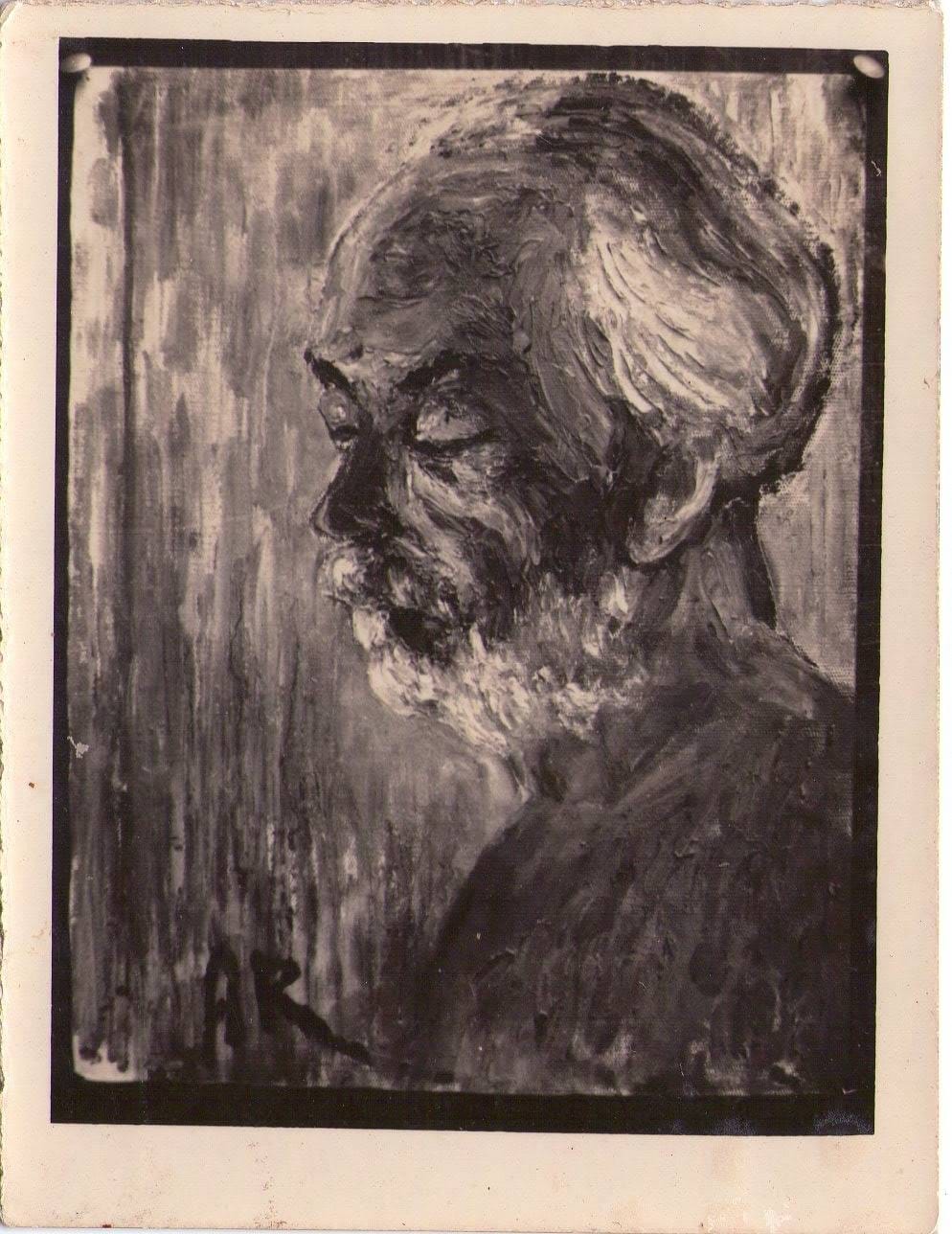
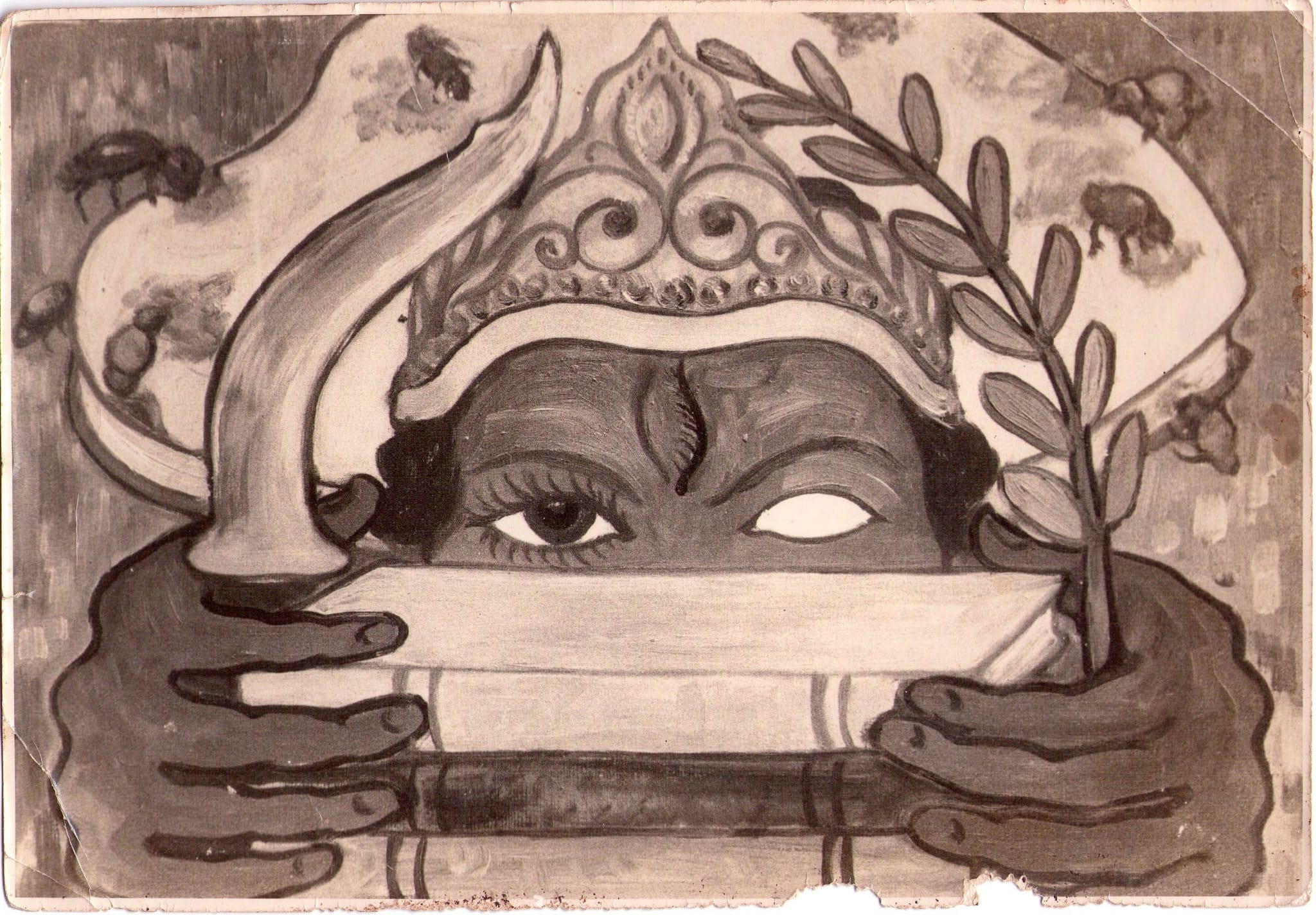
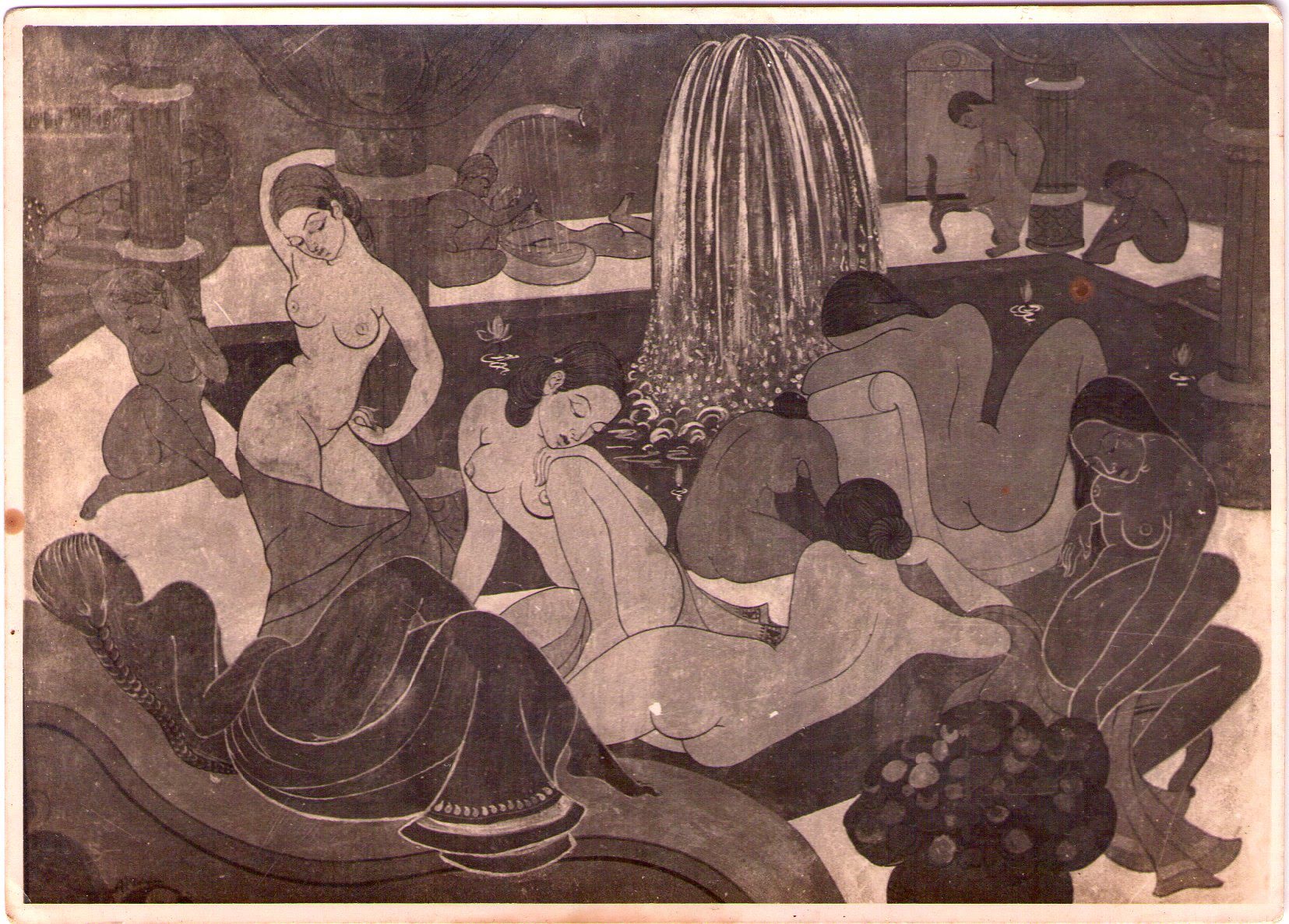
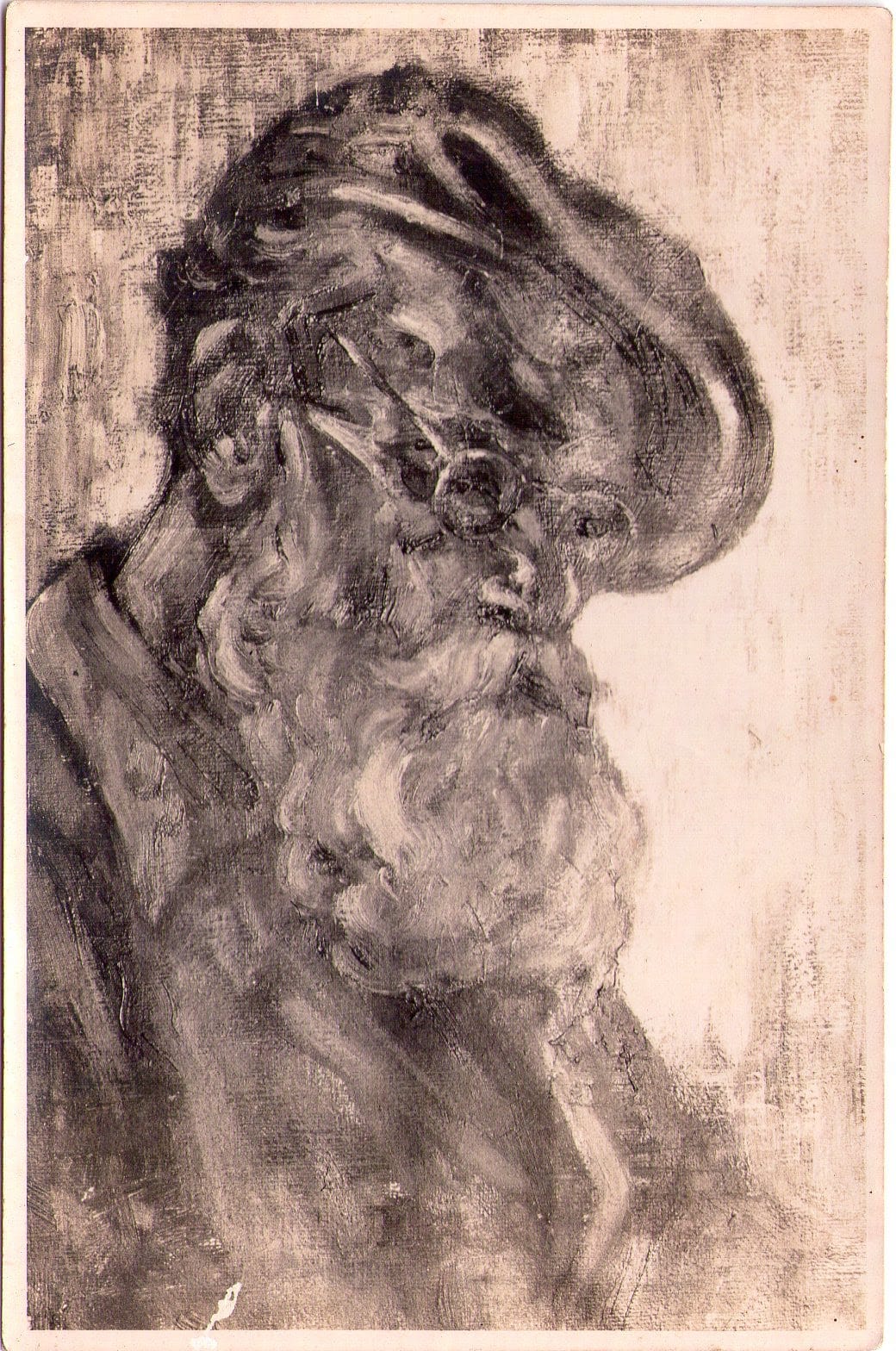
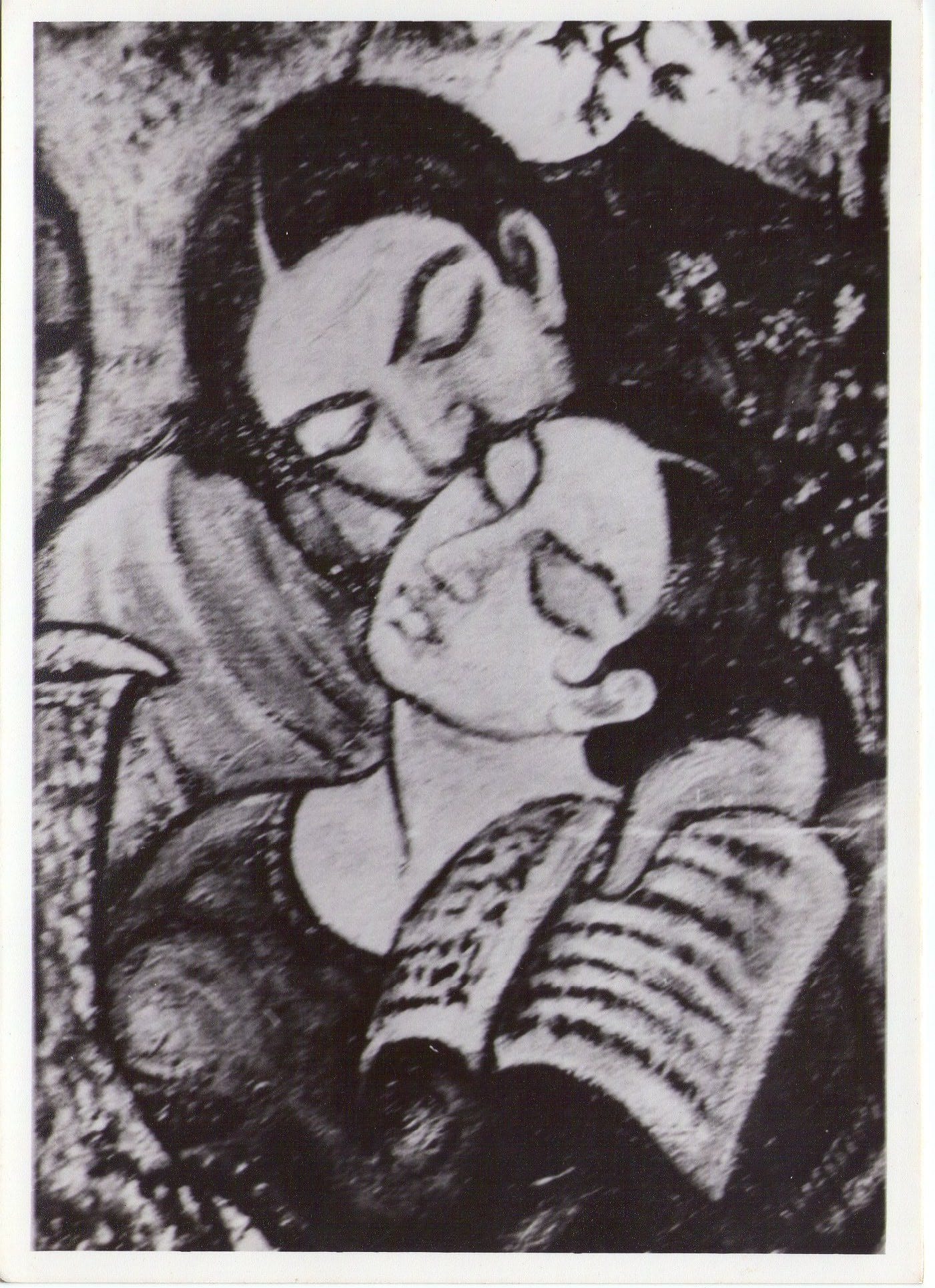
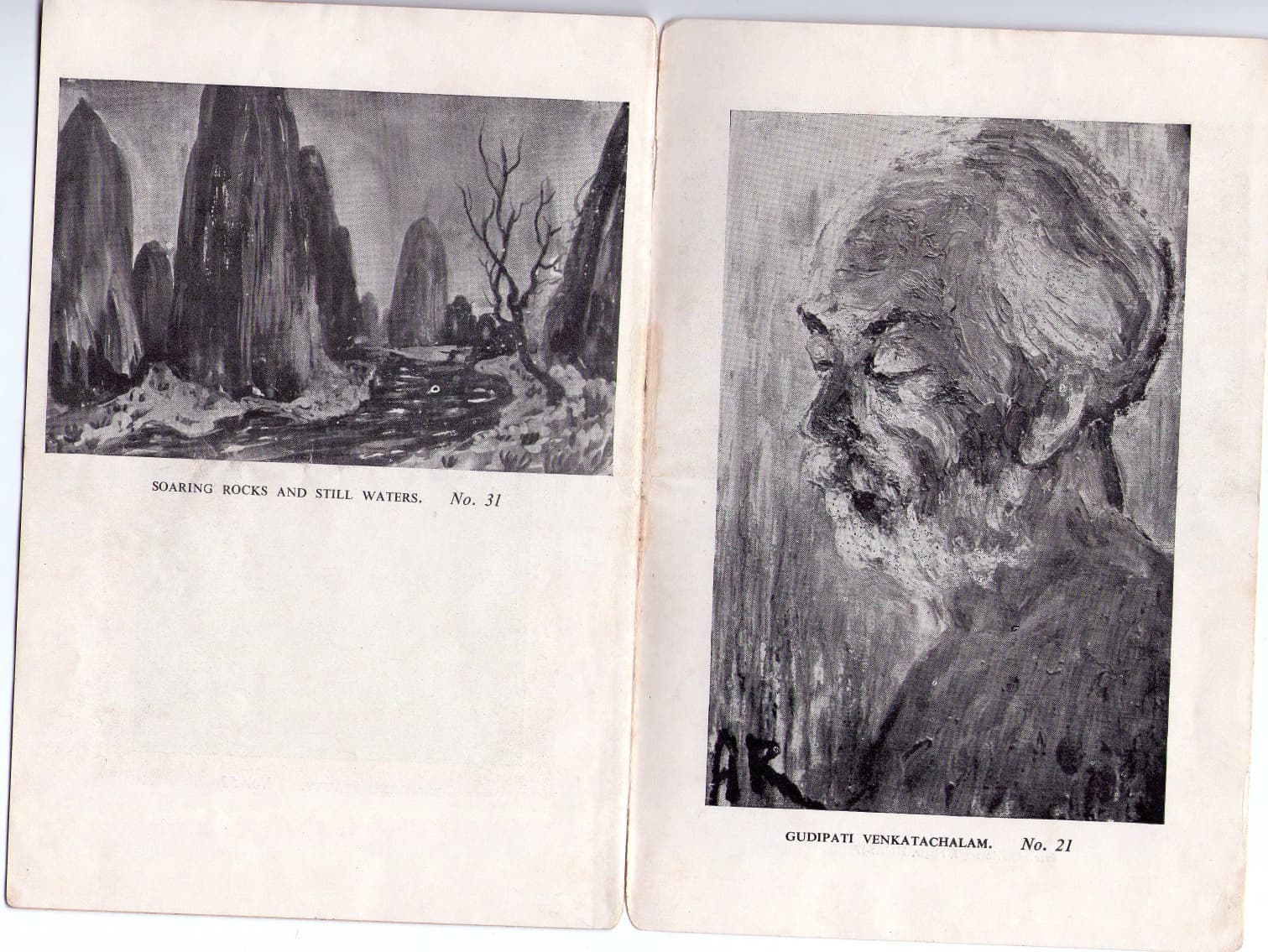
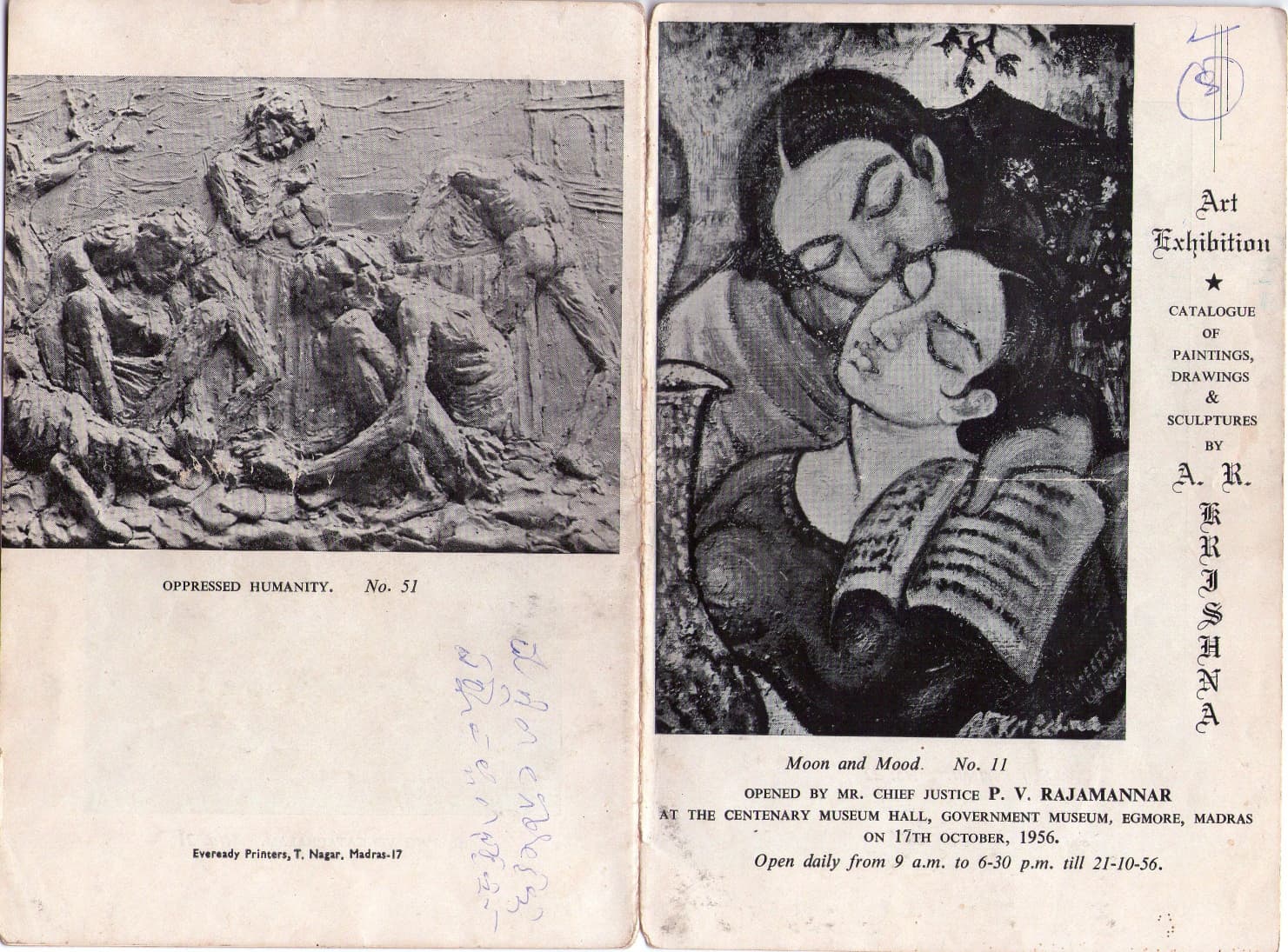
In October 1956, the Government Museum at Egmore hosted his one-man show — paintings, drawings and sculptures together. It was opened by Chief Justice P. V. Rajamannar. The catalogue billed him simply: A. R. KRISHNA.

1956 exhibition catalogue, family archive

1956 exhibition catalogue pages
The 1956 catalogue: “Oppressed Humanity” No. 51 and “Moon and Mood” No. 11.

04

The President

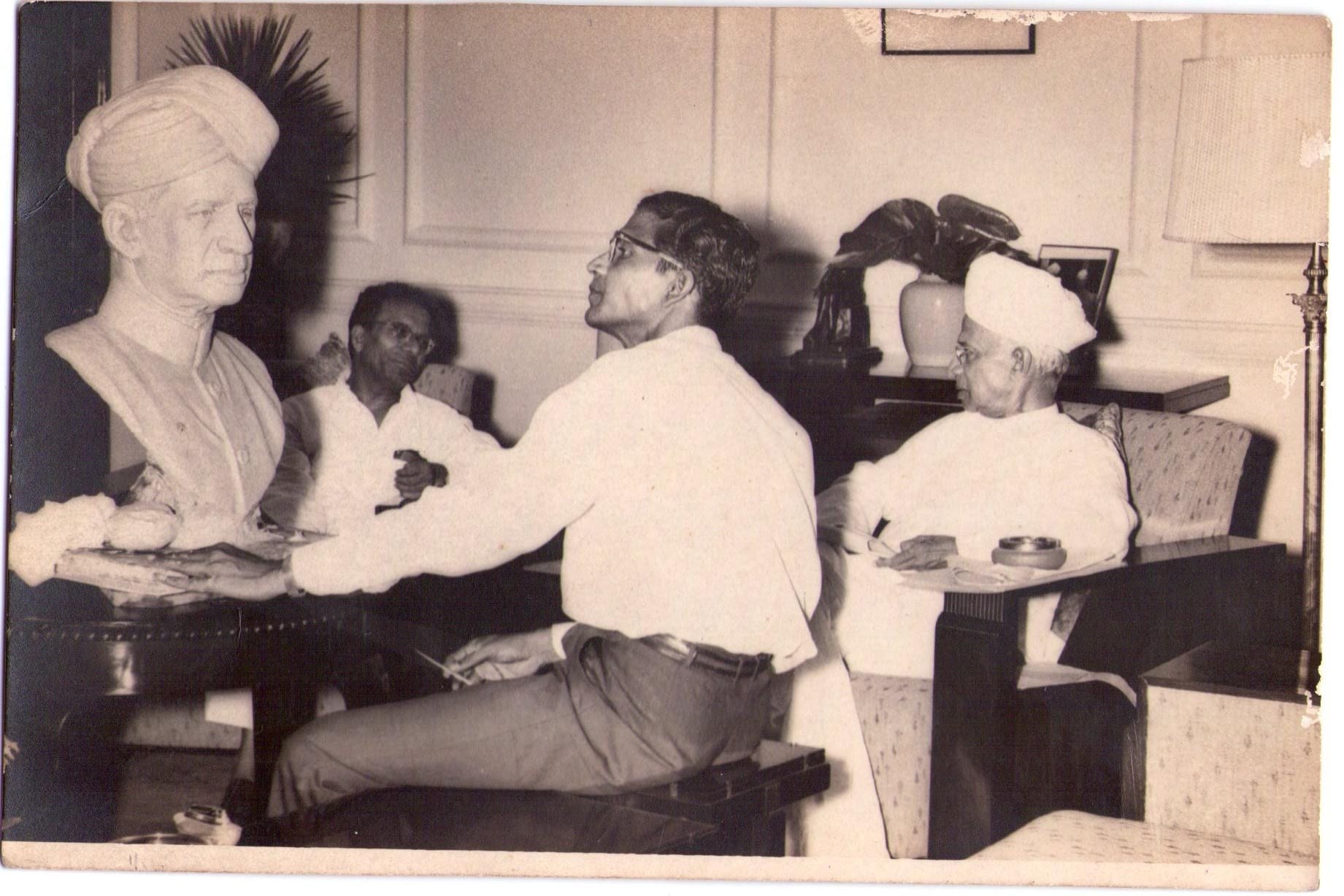
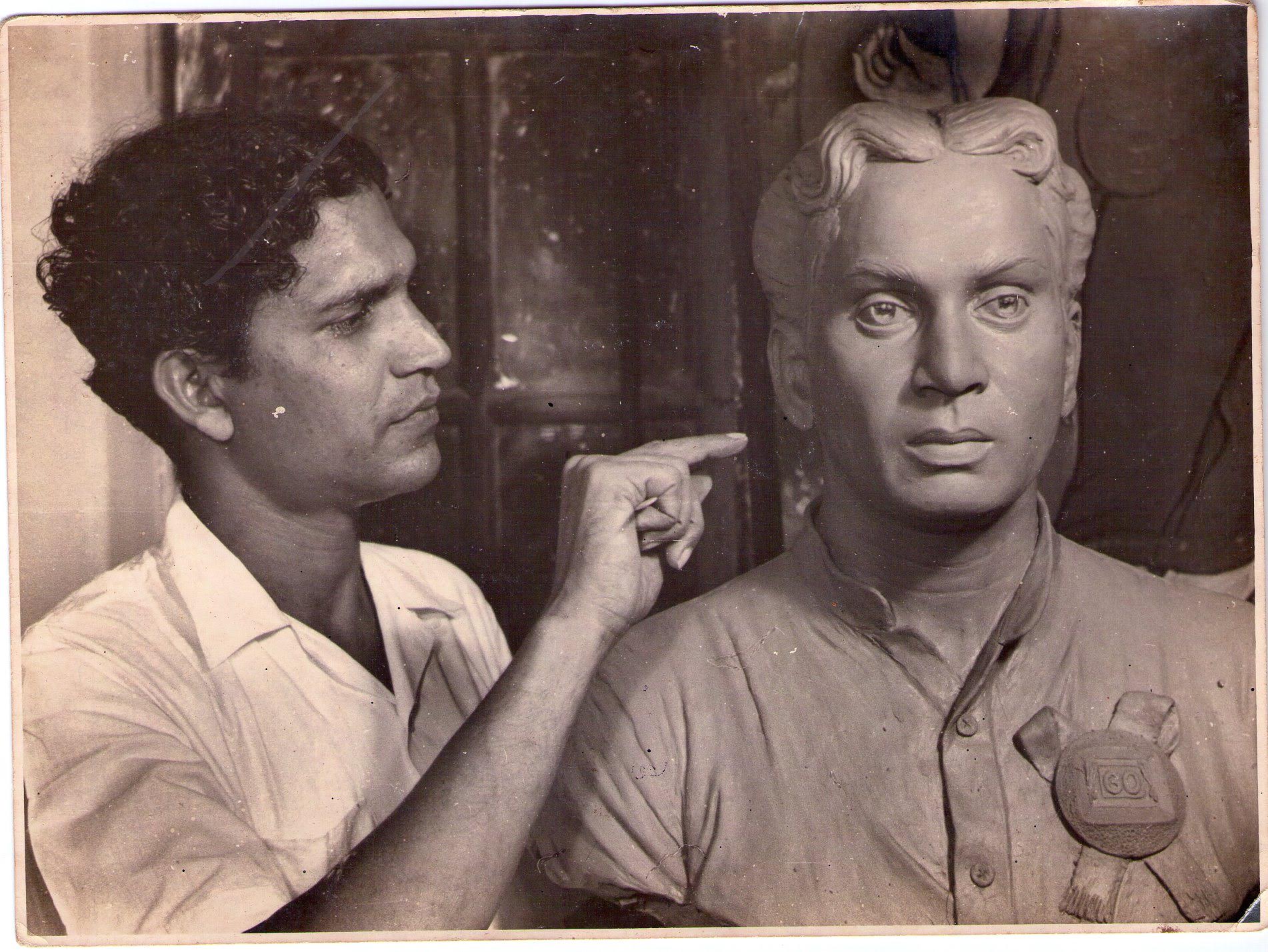
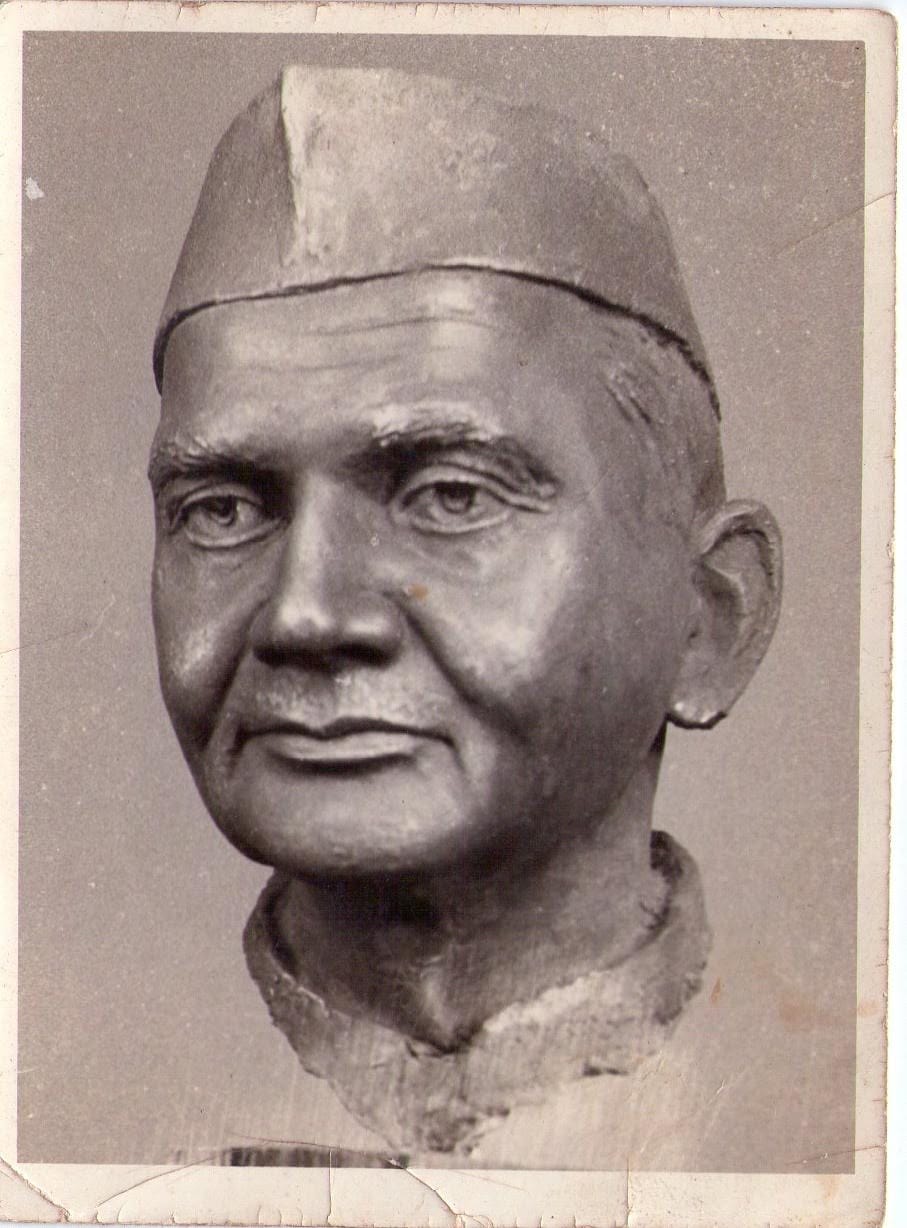
President Sarvepalli Radhakrishnan saw his bronze of an actor and summoned the sculptor to Delhi. Three sittings, thirty minutes each — the President of India sat still while a farmer's son from Bodapadu shaped his likeness in clay.

Ancha Radhakrishna Murthy sculpting President Sarvepalli Radhakrishnan from life
The sitting itself, photographed: the artist at work beside President Radhakrishnan. Family archive.

Family archive photograph

05

The Teacher

In 1964 he completed a postgraduate course in sculpture at the Madras School of Art under Devi Prasad Roy Chowdhury — whose teachers wanted to send him to America for further study.

Back home in Tenali, he taught a young sculptor named Katuri Venkateshwara Rao, who went on to receive the Andhra Pradesh Kala Ratna. The student remembers the teacher — even if history does not.

Katuri Venkateshwara Rao

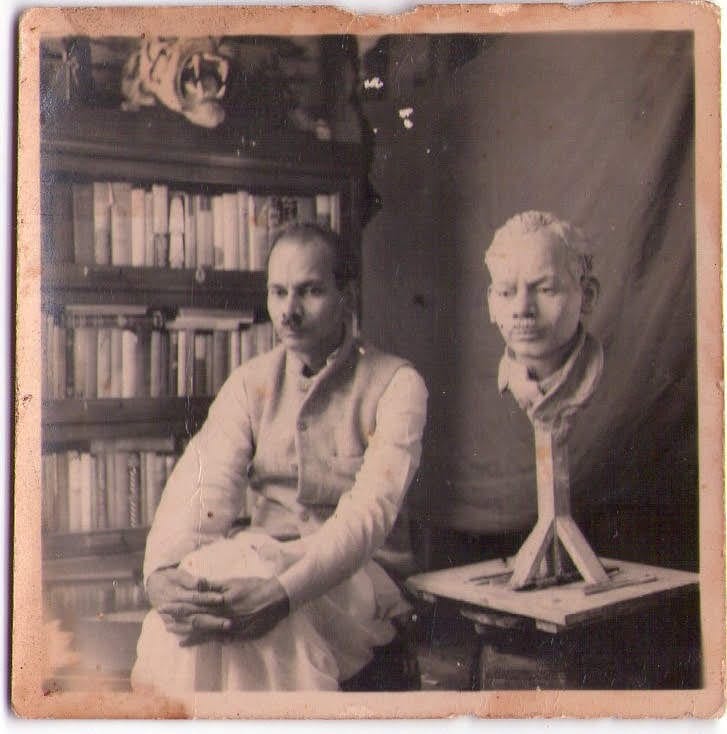
The artist in his studio beside a clay bust
In the studio, beside a work in progress.

06

The Musician

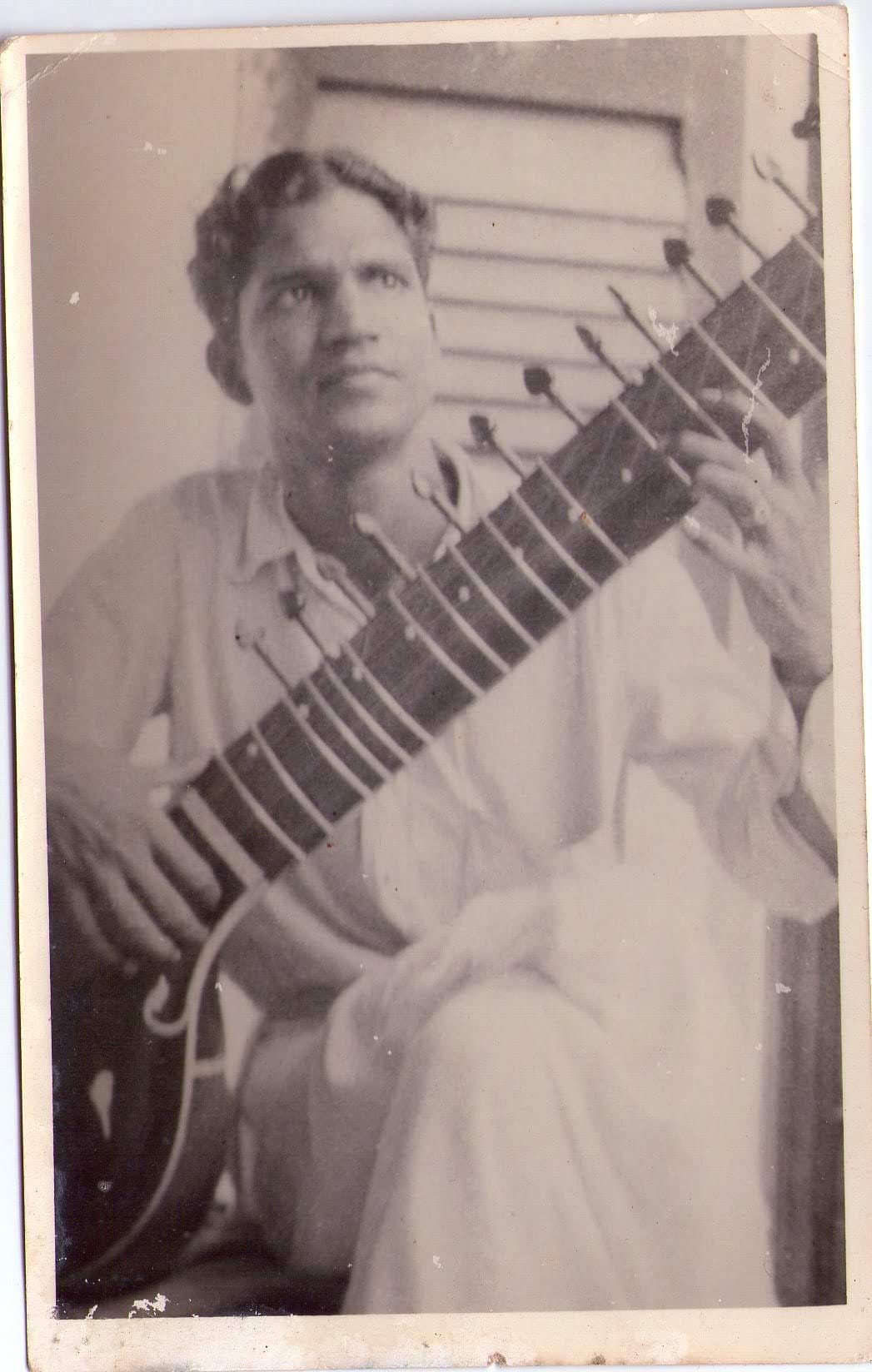
He played the sitar. The same hands that shaped bronze drew music from strings — one more art folded into a life that refused to hold just one.

Family account

The young artist holding a sitar
With his sitar.

07

The Return

His later experiments did not succeed as he had hoped. So he did what his father had done: he went back to his own field and farmed it. The man who sculpted a President ended his days as a farmer — not defeated, just home.

08

The Rediscovery

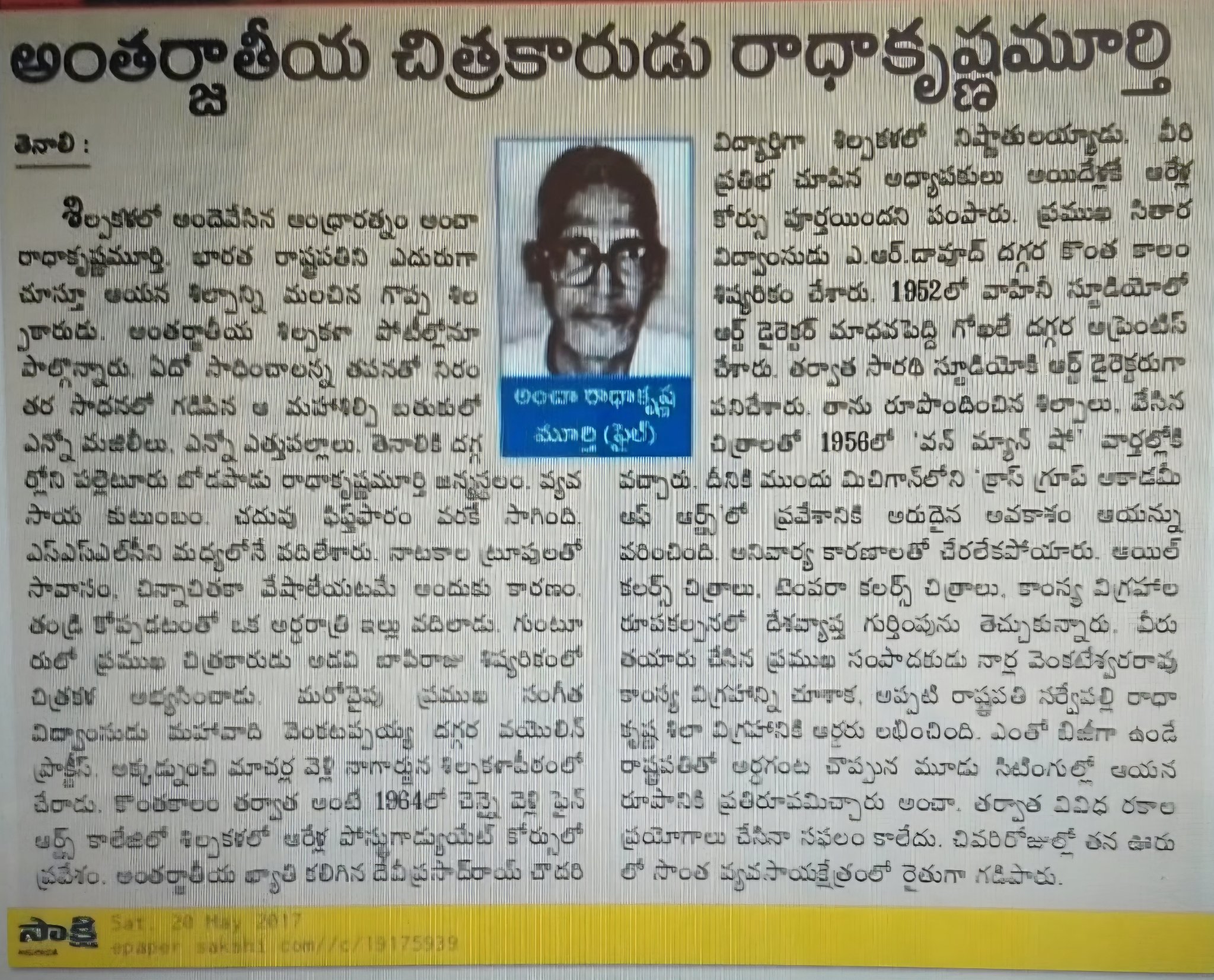
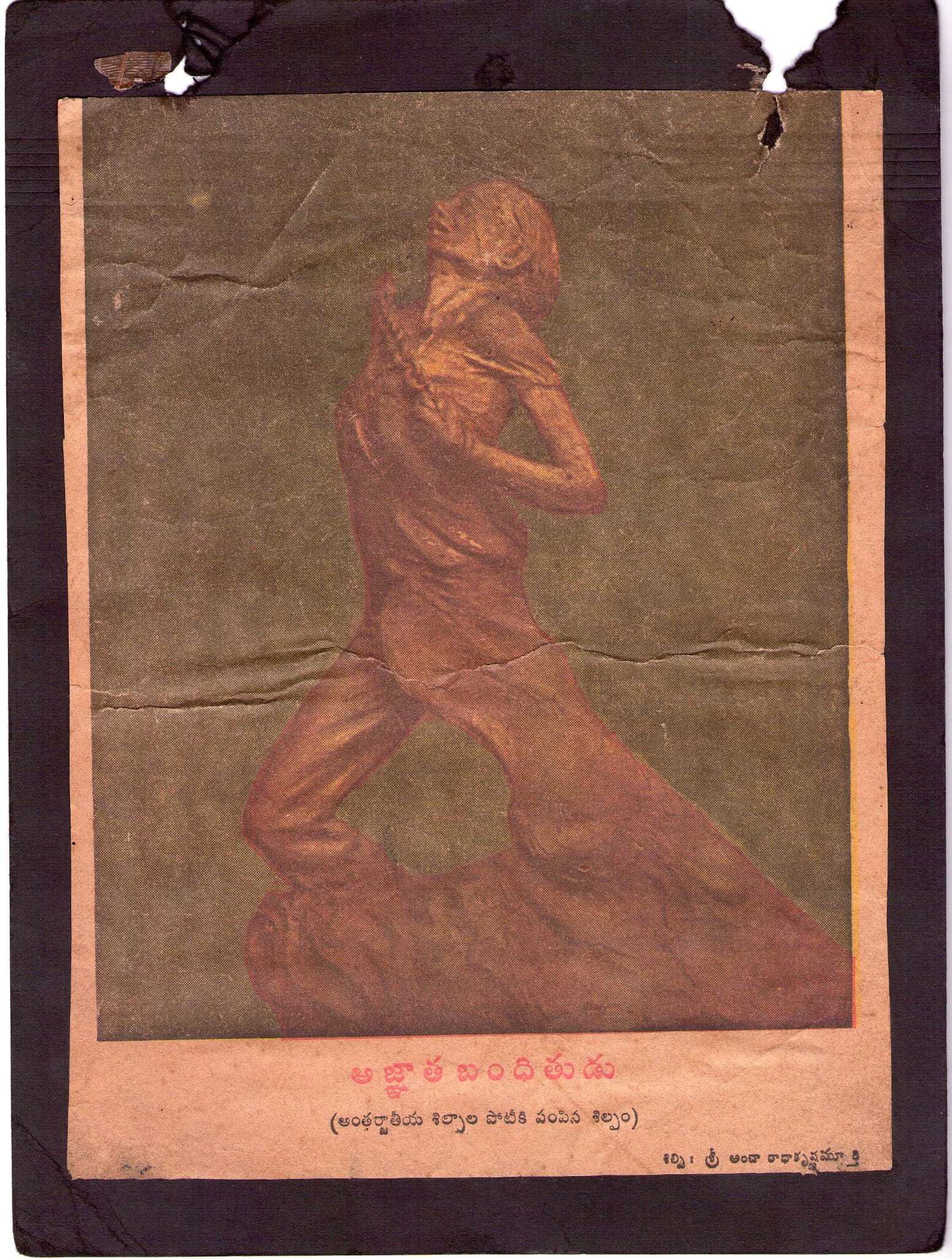
In May 2017, the Telugu daily Sakshi profiled him as an “international artist” — one of the only published records of his life. Today his family is gathering every photograph, catalogue and memory into this archive, and a book on his life is in progress.

The forgetting ends here.

Sakshi newspaper profile, 20 May 2017
Sakshi, Tenali edition, 20 May 2017.

Timeline

A life in dates

  1. Early 1900s

    Born in Bodapadu village, near Tenali, into a farming family.

  2. 1952

    Apprentices under art director Madhavapeddi Gopalam at Vahini Studio, Madras.

  3. 1956

    One-man show of paintings, drawings and sculptures at the Government Museum, Egmore — opened by Chief Justice P. V. Rajamannar.

  4. 1960s

    Summoned to Delhi — sculpts President Sarvepalli Radhakrishnan from life, in three sittings of thirty minutes.

  5. 1964

    Postgraduate course in sculpture, Madras School of Art, under Devi Prasad Roy Chowdhury.

  6. 2017

    Sakshi profiles him as an “international artist” — a rare published record.

  7. Today

    The family archive — and a book on his life in progress.